
Estimated read time: 9–10 minutes
When good intentions meet governance reality
Sarah joined the board of Oakdale Community Sports Hub after years of volunteering on the football pitch. She’s practical, community-minded, and one of those people who just get things done. But after their last trustee meeting, she sat in her car for ten minutes with a proper knot in her stomach.
(Sarah and her charity are fictional, but their story mirrors what happens to real organisations across the UK every day.)
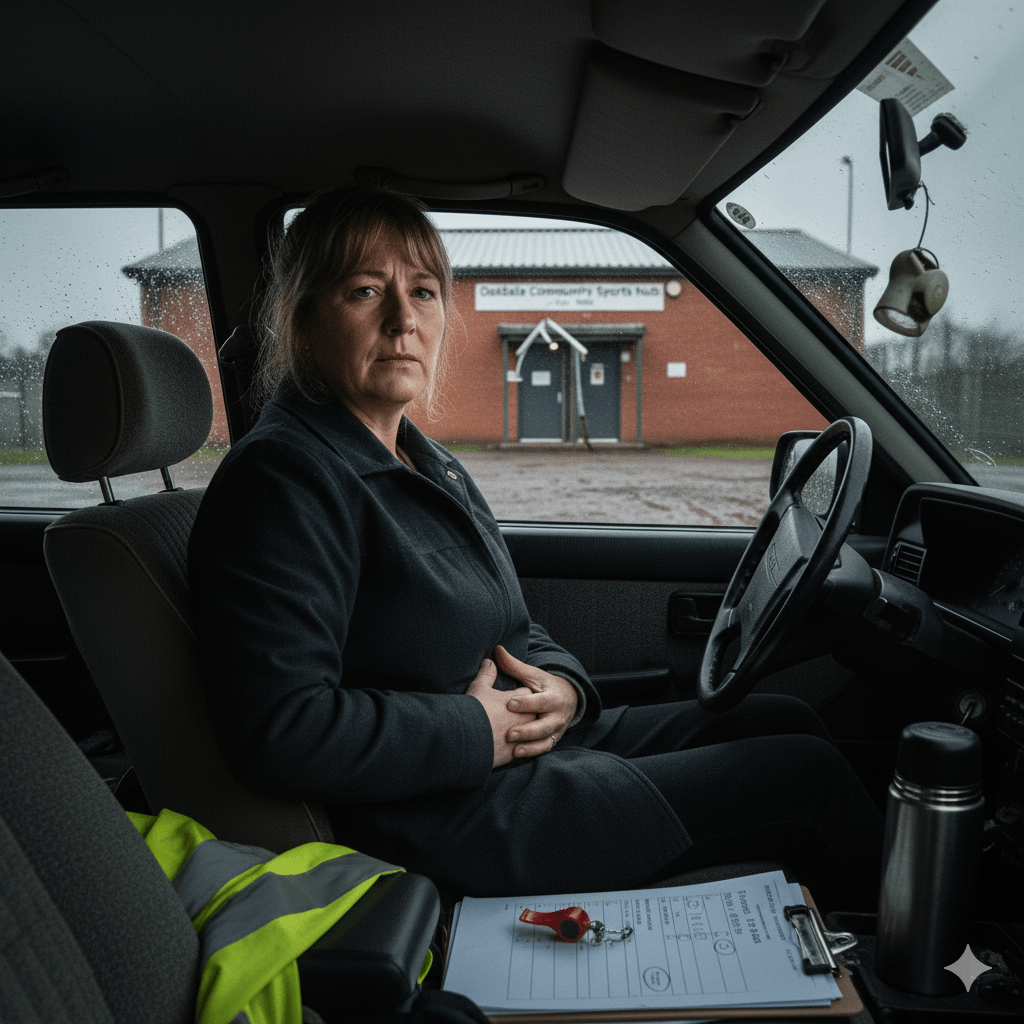
Everyone around that table cares deeply about Oakdale’s work—there’s no question about that. But strategy? Governance? Long-term planning? Those weren’t even whispered, let alone discussed. Instead, the team spent two solid hours debating volunteer rota gaps and whether to fix the broken lightbulb in the changing room or just replace the whole fitting.
Sound painfully familiar?
If you’ve ever walked out of a board meeting wondering whether anything actually moved your organisation forward, you’re definitely not alone. The truth is, even the most passionate, well-meaning trustees can feel completely lost about their actual role—or find themselves drowning in an operational whirlwind that never seems to end.
Here’s the thing though: it absolutely doesn’t have to be this way. With some honest reflection and a few practical changes, you can build a board that actually focuses on steering the ship, brings together the right mix of skills, and helps your charity thrive for years to come.
Getting clear on what trustees actually do (spoiler: it’s not the lightbulbs)
Let’s start with the basics. Trustees aren’t there to manage staff, organise the summer fair, or debate whether to buy the cheap or expensive toilet roll. They’re there to govern—to make sure your charity is well-run, legally compliant, and actually achieving what it set out to do.
But here’s what we’ve noticed: many community boards have never actually sat down to hash out what governance looks like in practice. Everyone just sort of assumes they know, and then wonders why meetings feel chaotic or unfocused.
It’s worth taking proper time as a board to revisit your governing documents, get crystal clear on responsibilities, and make sure everyone genuinely understands their role. The Charity Commission’s “Essential Trustee” guidance is brilliant for framing this kind of conversation—straightforward and practical without being patronising.
Know your strengths (and be honest about the gaps)
You know that saying “you don’t know what you don’t know”? That’s exactly why skills audits exist, and they’re honestly one of the most useful exercises a board can do.
A decent skills audit helps you see what expertise you’ve already got around the table, spot the glaring gaps (finance oversight, anyone? Digital strategy? Lived experience of your service users?), and plan your trustee recruitment with actual purpose rather than just grabbing whoever says yes first.
When Sarah’s board finally did this exercise, they realised they had fantastic community connections and loads of passion, but were seriously lacking in financial oversight and had virtually no digital know-how. Just identifying this helped them stop looking for “anyone willing” and start thinking strategically about who they actually needed.
Recruit with purpose, not panic
Too many boards fill trustee vacancies like they’re plugging holes in a sinking ship—grabbing the first person who raises their hand, especially when funding deadlines are looming or the auditor’s asking awkward questions.
But building a strong board is much more like assembling a really good team. You need variety in skills and experience, shared values that align with your mission, and absolutely clear expectations about what you’re asking people to commit to.
And yes, diversity genuinely matters—not just demographic diversity (though that’s important), but diversity of thought, professional background, life experience, and networks. Your board should reflect the community you serve and bring different perspectives to your strategic discussions.
Consider running proper open recruitment campaigns. Platforms like Reach Volunteering make this easier, and organisations like Getting on Board offer free templates and guidance. Most importantly, invest in proper induction. A new trustee who feels welcomed, informed, and confident from day one is infinitely more valuable than someone who spends their first six months feeling confused and useless.
Transform your meetings from admin-fest to strategy sessions
If your board meetings feel like an endless parade of operational updates and minor decision-making, it’s time for a serious rethink.
Board meetings should be the engine room of your organisation’s strategic thinking. That means ruthlessly reducing operational chatter (those rota issues belong in staff meetings or volunteer WhatsApp groups), creating genuine space for forward-thinking discussions, and using subcommittees or working groups to dive deeper into complex issues.
Sarah’s board made a simple but transformational change: operational updates now get circulated in advance, and meetings focus on decisions, learning opportunities, and big-picture strategic questions. The difference has been remarkable—trustees actually look forward to meetings now, and they’re making decisions that shape the organisation’s future rather than just keeping the lights on.
Get the Chair-CEO relationship right (it’s more important than you think)
For organisations with paid staff, the relationship between the Chair and CEO or senior manager is absolutely crucial. These two people need to trust each other, communicate regularly, and maintain healthy professional boundaries.
The Chair’s job is to hold the board accountable and support the CEO to do their job effectively. They’re not there to micromanage or do each other’s work, but to create conditions where both governance and management can flourish.
When this partnership works well, the entire organisation feels the benefit. When it doesn’t, everything suffers—staff morale, strategic direction, and ultimately, the people you’re trying to serve.
Use subcommittees strategically (but don’t create a shadow board)
Trying to cover everything in full board meetings is a guaranteed route to surface-level discussions and trustee burnout. Well-structured subcommittees—focusing on areas like finance, fundraising, or safeguarding—allow for deeper exploration of complex issues and distribute the workload more sensibly.
The key is making sure there’s clear reporting back to the main board, and that subcommittees don’t become shadow boards making significant decisions without proper oversight. They should do the detailed work and make recommendations; the full board should retain decision-making authority on anything strategic or significant.
Quick Board Health Check: A 30-minute diagnostic tool
Want to get your trustees talking honestly about how the board is working? Try this simple exercise at your next meeting:
🔍 Board Effectiveness Audit (30 minutes)
Step 1: Individual reflection (10 minutes) Give each trustee a piece of paper with these questions:
- On a scale of 1-10, how clear are you about your role as a trustee?
- What’s one thing our board does really well?
- What’s one thing that frustrates you about our meetings?
- If you could change one thing about how we operate, what would it be?
- What skills or experience do you think we’re missing around this table?
Step 2: Share and capture themes (15 minutes) Go around the table and have everyone share their answers. Don’t debate or defend—just listen and note the patterns that emerge.
Step 3: Identify priority actions (5 minutes) Based on what you’ve heard, pick the top two issues that keep coming up and commit to addressing them over the next three months.
Sarah’s board used this exercise and discovered that everyone felt unclear about decision-making authority and frustrated by the amount of time spent on operational details. Those insights led to their meeting restructure and clearer role definitions.
The beauty of this tool? It gives everyone permission to be honest about what’s not working, and creates momentum for positive change.
This is a journey, not a destination
Building an effective board doesn’t happen overnight, and it’s definitely not about achieving some perfect governance ideal. It’s about having honest conversations about what’s working and what isn’t, doing some proper planning around the skills and experience you need, and being willing to try different approaches.
Sarah and her colleagues are still very much on this journey—but they’re already seeing real differences. Clearer role definitions mean less confusion and frustration. Intentional recruitment has brought fresh perspectives and crucial expertise. Strategic meeting structures mean they’re actually shaping the organisation’s future rather than just reacting to immediate crises.
If you’re ready to move beyond survival mode and start building something genuinely sustainable, this is where it begins. And remember—you don’t have to figure it all out on your own. There are resources, networks, and people out there who’ve walked this path before and are happy to share what they’ve learned.
Your community deserves a charity that’s not just passionate, but professionally run. Your trustees deserve to feel confident and effective in their roles. And you deserve meetings that energise rather than drain you.
It’s absolutely possible. You just need to start.
 The Art of Stupidity