Read time: 8 minutes
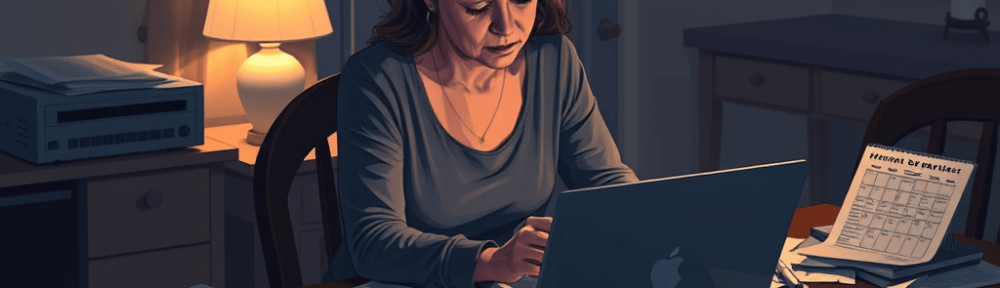
Sarah sounds tired when she calls. Really tired. Not the kind of tired that comes from a busy day teaching primary school children, but something deeper. Something that sleep doesn’t seem to fix.
Three years ago, Sarah joined the board of Oakdale Community Sports Hub with excitement. She’d been volunteering as a football coach and wanted to help the charity grow. Now, when she talks about the Hub, there’s still love in her voice—but it’s mixed with something else. Worry. Exhaustion. The weight of feeling responsible for keeping the doors open.
Sarah and her charity are fictional, but their story mirrors what happens to real organisations across the UK every day.
Sarah isn’t alone. Right now, trustees across the country are sitting at kitchen tables at midnight, scrolling through grant applications. They’re lying awake wondering how to stretch the budget another month. They’re cancelling family plans because there’s another crisis that needs sorting.
This is the reality of trustee burnout, and it’s happening everywhere.
When Caring Becomes Too Much
Here’s what we need to talk about: being a trustee wasn’t supposed to feel this hard. Yes, it’s always been a responsibility. But it shouldn’t leave you feeling like you’re drowning.
Sarah’s story shows us what burnout actually looks like. It’s not dramatic. It’s not sudden. It creeps up slowly, disguised as dedication.
Your Body Starts Talking Sarah used to look forward to those Friday afternoon catch-ups about the Hub. Now she feels a knot in her stomach beforehand. Her head pounds during trustee meetings. She lies in bed thinking about unpaid invoices instead of sleeping.
If you’re a trustee reading this, ask yourself: when did charity work start making you feel physically unwell? When did meetings you used to enjoy become something to endure?
Your Heart Gets Heavy Sarah still believes in what Oakdale does. Those kids need somewhere safe to play football. The community needs the Hub. But increasingly, she feels like she’s fighting a losing battle. Every rejected grant feels personal. Every financial struggle feels like her fault.
This is what emotional burnout looks like—when caring about something starts to hurt more than it helps.
You Start Pulling Back Maybe you stop volunteering for extra tasks. Perhaps you find excuses to miss meetings. You might stop contributing ideas because, honestly, what’s the point? Sarah still turns up, still sends her Friday emails, but part of her has already checked out.
This isn’t laziness. This isn’t not caring. This is self-preservation.
Your Brain Feels Foggy Sarah is a brilliant teacher who can juggle thirty children, their parents, and a packed curriculum. But when she sits down to read the charity’s financial reports, nothing seems to stick. Decisions that should be straightforward feel impossible. She’s not losing her mind—she’s just overwhelmed.
The Problem with Always Being “On”
Oakdale Community Sports Hub runs on £250,000 a year. Not a fortune for keeping multiple sports programmes running. Sarah and her fellow trustees are constantly juggling—paying coaches here, fixing equipment there, chasing grants everywhere.
This is what we call crisis mode, and far too many charities live here permanently.
Crisis mode feels productive. You’re always busy, always dealing with something urgent. But here’s the thing—it’s not actually leadership. It’s just very exhausting management.
When you’re always putting out fires, you never get time to think about why the fires keep starting. You never get space to plan ahead, to build something better, to actually solve problems instead of just managing them.
And it’s killing trustees like Sarah.
What Actually Helps
The good news? This doesn’t have to be how it feels. There are trustees out there who love what they do and sleep well at night. Their organisations thrive without burning people out.
Share the Load No one person should carry a charity on their shoulders. Sarah does her weekly updates, bridges between the board and advisers, and worries about everything in between. That’s too much for anyone.
Look at what each trustee is doing. Really look. Some people might be carrying far more than their fair share. It’s time to spread things out more evenly—or admit you need more people around the table.
Know What You’re Actually Responsible For Sarah feels responsible for keeping Oakdale’s doors open. But is that actually her job as a trustee? Or has the line between governance and management become so blurred that she’s trying to do everything?
Trustees aren’t meant to run the day-to-day operations. You’re not meant to solve every problem. Your job is to make sure the charity has good leadership, follows the rules, and stays true to its mission. That’s actually quite enough.
Create Space to Think When did your board last have a proper conversation about the future? Not crisis management, not urgent decisions, but actual strategic thinking?
Sarah’s charity needs time to step back and ask the big questions: What are we really trying to achieve? Are we doing it the best way? What would sustainable success look like?
This doesn’t happen in rushed meetings between emergencies. It needs dedicated time and space.
Get the Support You Need Trustees often struggle because they don’t know what they don’t know. Sarah might be brilliant at teaching, but charity finance might be completely new territory. That’s okay—but she needs help with it.
Good induction programmes, ongoing training, access to expert advice—these aren’t luxuries. They’re basics. If your trustees are drowning, throw them a lifeline, don’t just tell them to swim harder.
Check In With Each Other When did someone last ask Sarah how she’s coping? Not how the charity is doing—how she is doing?
Boards need to be checking in on their people, not just their projects. A simple “How are you finding this?” conversation can reveal a lot. Sometimes people just need permission to say “This is too much right now.”
Making It Better
Sarah’s charity doesn’t need to operate in constant crisis mode. They’ve built something good over twelve years—a place where local kids can play sport safely and affordably. That’s worth protecting, and it’s worth doing sustainably.
But sustainability isn’t just about money. It’s about people too. It’s about creating a way of working that doesn’t burn people out. It’s about recognising that the people who care most about your charity are often the ones most at risk of being damaged by it.
The irony is heartbreaking: we’re losing our best trustees because they care too much.
Sarah and trustees like her need support, not just gratitude. They need realistic expectations, not impossible demands. They need to know that their wellbeing matters too.
A Different Way Forward
Imagine Sarah calling next year with excitement in her voice instead of exhaustion. Imagine her talking about Oakdale’s plans instead of its problems. Imagine her feeling proud of her contribution instead of worried about her inadequacy.
This isn’t fantasy. This is what happens when charities prioritise sustainable leadership.
It means sometimes saying no to opportunities because you’re not ready yet. It means investing in systems that prevent problems instead of just solving them. It means treating your trustees like the valuable volunteers they are, not unpaid staff members who should be grateful for the privilege of working themselves to exhaustion.
The children who play football at Oakdale, the families who use their facilities, the community they serve—they all deserve a charity that’s built to last. And Sarah deserves to be part of something that energises her instead of depleting her.
The trustees reading this deserve the same. You stepped up because you cared about something important. That care shouldn’t come at the cost of your health, your relationships, or your joy.
Change starts with recognising that things don’t have to be this hard. And sometimes, the most radical act of leadership is admitting that you need help.
Support and Resources
If you’re struggling with stress, burnout, or mental health challenges, please know that support is available:
Mental Health Support:
- Samaritans: 116 123 (free, 24/7) – Someone to talk to, any time
- Mind: 0300 123 3393 – Information and local services
- NHS 111: For urgent mental health support
For Trustees Specifically:
- Charity Commission guidance on trustee wellbeing: Available on gov.uk
- NCVO Trustee Network: Resources and peer support for charity trustees
- Your local CVA (Council for Voluntary Action): Often provides trustee support and training
Professional Support:
- BACP (British Association for Counselling and Psychotherapy): Find qualified counsellors near you
- Your GP: Can refer you to local NHS mental health services
- Employee Assistance Programmes: If available through your main employer
Remember: seeking help isn’t a sign of weakness. It’s a sign of wisdom. You can’t pour from an empty cup, and your charity needs you to be well.
 The Art of Stupidity